
The current ratio is the most accommodating and includes various assets from the current assets account. These multiple measures assess the company’s ability to pay outstanding debts and cover liabilities and expenses without liquidating its fixed assets. Current assets are resources expected to be converted into cash or used within one year, aiding in day-to-day operations. They include cash, marketable securities, accounts receivable, inventory, and prepaid expenses, crucial for assessing a company’s liquidity.
Navigating Business Expenses: A Comprehensive Guide for Business Owners and Accountants
Tangible and intangible assets can be used to divide noncurrent assets further. These three ratios can help you evaluate your business’s ability to cover current liabilities and expenses, as well as the ability to meet outstanding obligations. Whether you work with an accountant or have an internal team run your numbers, every business balance sheet must track current assets. Marketable Securities is the account in which the total amount of liquid investments that can be converted into cash without diminishing their market value is recorded. Generally speaking, all liquid assets are current assets but not all current assets are liquid assets.
InvestingPro+: Access Total Current Assets Data Instantly
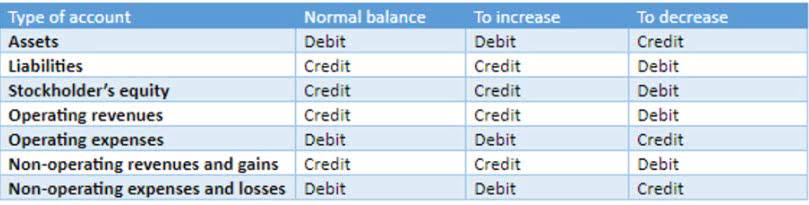
If you need a quick way to remember what’s considered non-current, think property, plant, equipment, and intangible assets. Assets that fall within what is current assets these four categories often cannot be sold within a year and turned into cash quickly. Current assets will turn into cash within a year from the date displayed at the top of the balance sheet. A balance sheet is a financial statement that shows a business‘ assets and how they’re financed, through debt or equity. In the case of auction-rate securities, the failure rate was exceedingly high, and the use of auction-rate securities as a current asset significantly declined. Inventory is another type of current asset; it refers to the goods or raw materials a company has on hand that it can sell or use to produce products for sale.
Prepaid Expenses
- Current assets are also a way to evaluate a company’s risk profile, with a high amount of current assets indicating a lower risk for the company.
- Current assets are typically listed on a company’s balance sheet and can include a variety of financial instruments, ranging from cash and accounts receivable to inventories and short-term investments.
- If you’re already tracking short-term and long-term investments separately, then adding short-term investments is easy.
- Other liquid assets include precious metals like gold and silver, Treasury bills, investment-grade bonds, and stocks that are liquid, meaning that they can be sold fast.
- For example, if you run a subscription-based site, the amount owed would fall under this category.
- Look at the different types of current assets and how they fluctuate over time.
- While this is the standard formula, depending on the company’s industry, the line items may vary slightly.
The Current Assets categorization on the balance sheet represents assets that can be consumed, sold, or used within one calendar year. Generally accepted accounting principles (GAAP) allow depreciation under several methods. The straight-line method assumes that a fixed asset loses its value in proportion to its useful life. The accelerated method assumes that the asset loses its value faster in its first years of use. Normally, the company performs monthly bank reconciliation to make sure that accounting records are correctly shown the right amount. For example, in one industry, it may be more typical to extend credit to clients for 90 days or longer, while in another industry, short-term collections are more critical.
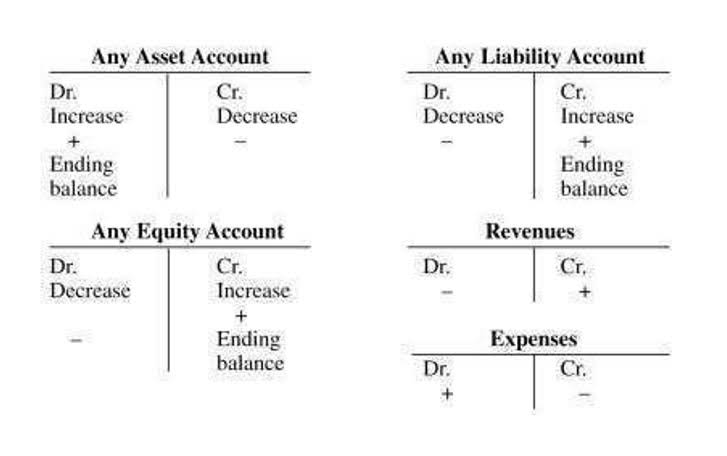
Accounting and e-invoicing solution for business owners and accountants
Prepaid expenses are payments made in advance for a future service that has not yet been provided. Prepaid expenses are recorded as a current asset because the value of the prepaid expense should be realized over the near term. When a company receives the benefit of the prepaid https://www.bookstime.com/ expense, it is expensed.
The last type of asset is any current asset your business owns that you can liquidate within the business’s operating cycle. These assets can include tax-deductible expenses or pre-tax income gains. Once you’ve listed your current assets on your balance sheet in the order outlined above, it’s easy to calculate your total current assets—just add them all up. This is a catchall category covering any other current assets you can easily convert to cash within a year.
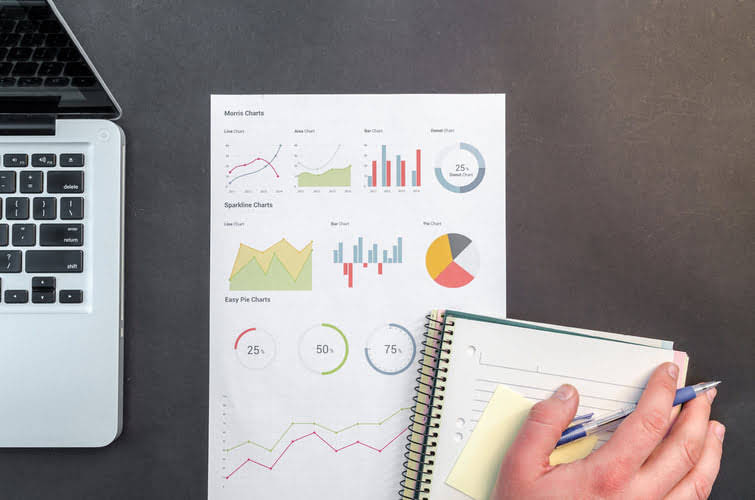
Proper management of inventory inventories is essential for optimizing resource expenditures and ensuring that the firm can meet customer demand without overstocking. The net realizable value of inventory is calculated by considering the market value and any potential losses due to obsolescence or damage. Prepaid expenses are payments a company makes for goods and services to be received in the future, such as rent, insurance, or subscriptions.

This is a resource is an asset and the tenant records it like a receivable in this sense. Cash and cash equivalents are a large part of a business’s current assets. Sustaining a high amount of current assets starts with effective cash management. Now that we’ve established what current assets are, let’s dig into how businesses manage them effectively in their day-to-day operations. As a reminder, short-term investments only covers easily liquidated investments that are expected to mature within the year. The examples a business is most likely to hold are government T-bills and bank certificates of deposit.
- Typically, current assets are listed at their current or market value on the balance sheet.
- Current assets are those assets that easily convert into cash in a year.
- As long as this credit period is less than one year, we class it into current assets.
- These shares would not be considered liquid and, therefore, would not have their value entered into the Current Assets account.
- They provide insight into a company’s short-term financial health and cash flow capabilities.
- Now that we know the different types of current assets, let’s look at the current assets formula.
Current vs. Noncurrent Assets: Differences
- It provides information regarding the company’s cash and liquidity status.
- By leveraging Xero’s tools for financial reviews and planning, you can boost revenue, fuel growth, and enhance your business’s stability.
- This is markedly different from Company B’s current ratio, which demonstrates a higher level of volatility.
- When evaluating stock performance, current assets can provide insights into whether a company has the necessary short-term resources to continue its operations smoothly.
- Different types of assets are treated differently for tax and accounting purposes.
- With the above information in mind, cash appears as the first item under the account head ‘current assets’ in the balance sheet since it is the most liquid asset of an entity.
- Current assets are resources that are expected to be used up in the current accounting period or the next 12 months.
A current asset is an item on an entity’s balance sheet that is either cash, a cash equivalent, or which can be converted into cash within one year. If an organization has an operating cycle lasting more than one year, an asset is still classified as current as long as it is Accounting Errors converted into cash within the operating cycle. Master the fundamentals of financial accounting with our Accounting for Financial Analysts Course.